Storytelling has been a popular
way of sharing information, history and humor in this country
for hundreds of years. That tradition remains strong in Southwest
Virginia where there are so many stories to tell. The Southwest
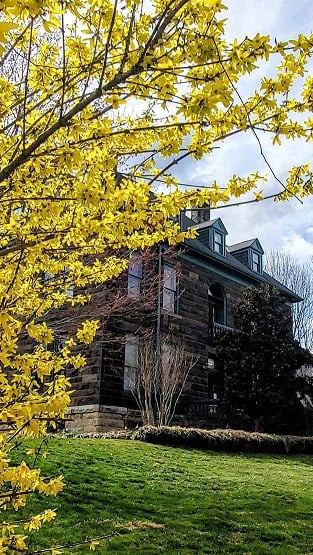
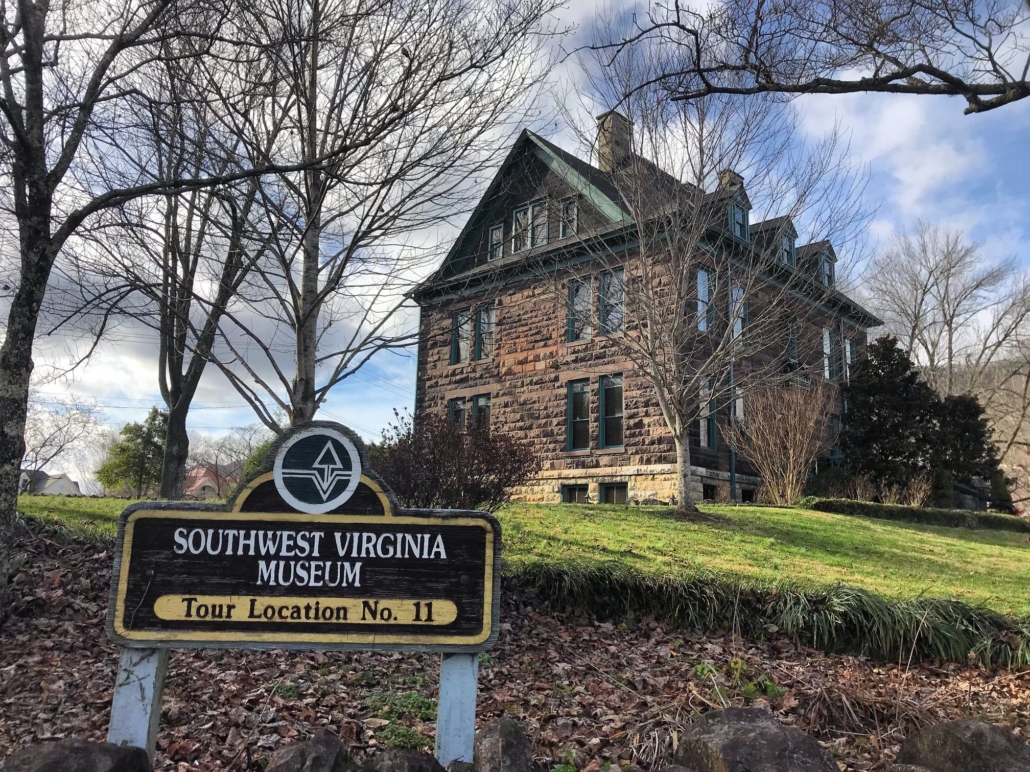
Virginia Museum in Big Stone Gap plays a part in sharing those
stories with the community and visitors alike.
Big Stone Gap's "boom
and bust" era
is featured in the main gallery on the first floor of the museum.
Having discovered the region's extensive coal of iron ore deposits
in the late 1870's, northern businessmen dreamed of turning the
tiny village of Big Stone Gap into the Pittsburgh of the South.
Land speculators, the coming of the railroad and the development
of the mining industry transformed Big Stone Gap into a vital
cultural area boasting its own newspaper, police force, hotels,
banks and schools.
Galleries on the second floor
tell the story of Big Stone Gap and its residents at the turn
of the century. Mail-orer catalogs, photographs, radios and railroads
were bringing the outside world into the everyday lives of Southwest
Virginia residents.
Two of the second floor galleries
chronicle the life and times of prominent local citizens and
eight-term U.S. Congressman C.
Bascom Slemp.
The story of early exploration and settlement of the region is told
in the third floor galleries. By the mid-1700's, settlers looking
for a fresh start were traveling south out of Pennsylvania and
Maryland into the valley of Virginia. In 1775 Daniel Boone pushed
the Wilderness Road through Cumberland Gap, opening the way west.
The flow of immigrants into and through Southwest Virginia increased
dramatically.
Braving the unknown, pioneer
settlers were almost totally dependent on the land, their own
skills and the contents of the wagon for their every need. Display
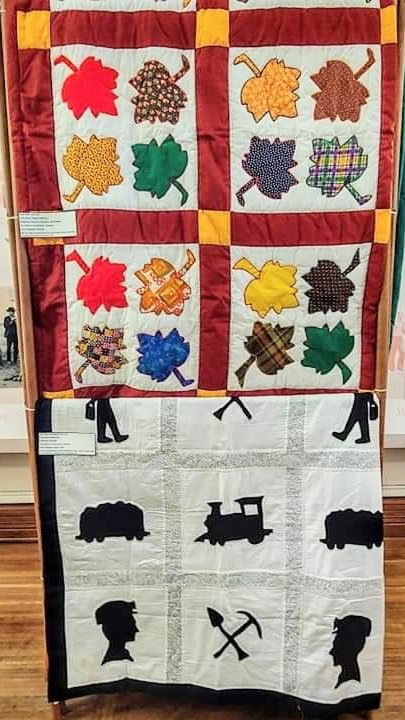
of tools, household furnishings, quilts and early commerce tell
the story of these hardy pioneers.
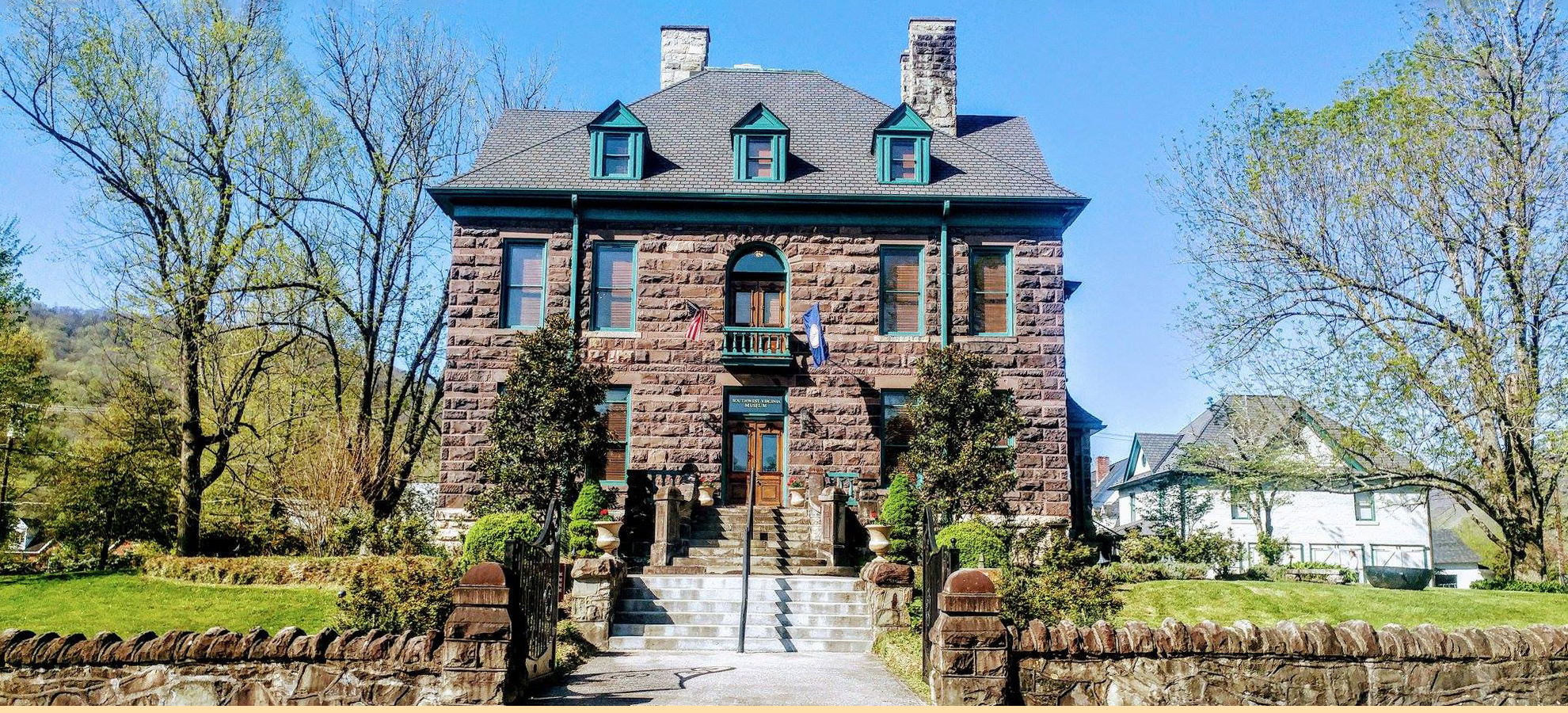
The Southwest Virginia Museum
is a wonderful place for school, church, civic, scout and tour
groups to learn about the history of Big Stone Gap and those
who settled in the area. Museum staff offer programs for all
ages on a regular basis, providing special activities for children
during the summer and students during the school year. For more
information, send your email to swvamuseum@dcr.virginia.gov,
or call the museum at (276) 523-1322 for more information.
A multi-purpose room in the
basement of the museum is available
for meeting use (reservations required).
Take home something to commemorate
your visit or find that special gift in the museum
shop. All items are related
to the museum, or culture and history of the region. Jewelry,
books about pioneer and Victorian eras, locally made crafts and
reproductions of Victorian items are just some of what the shop
has to offer.
 |